
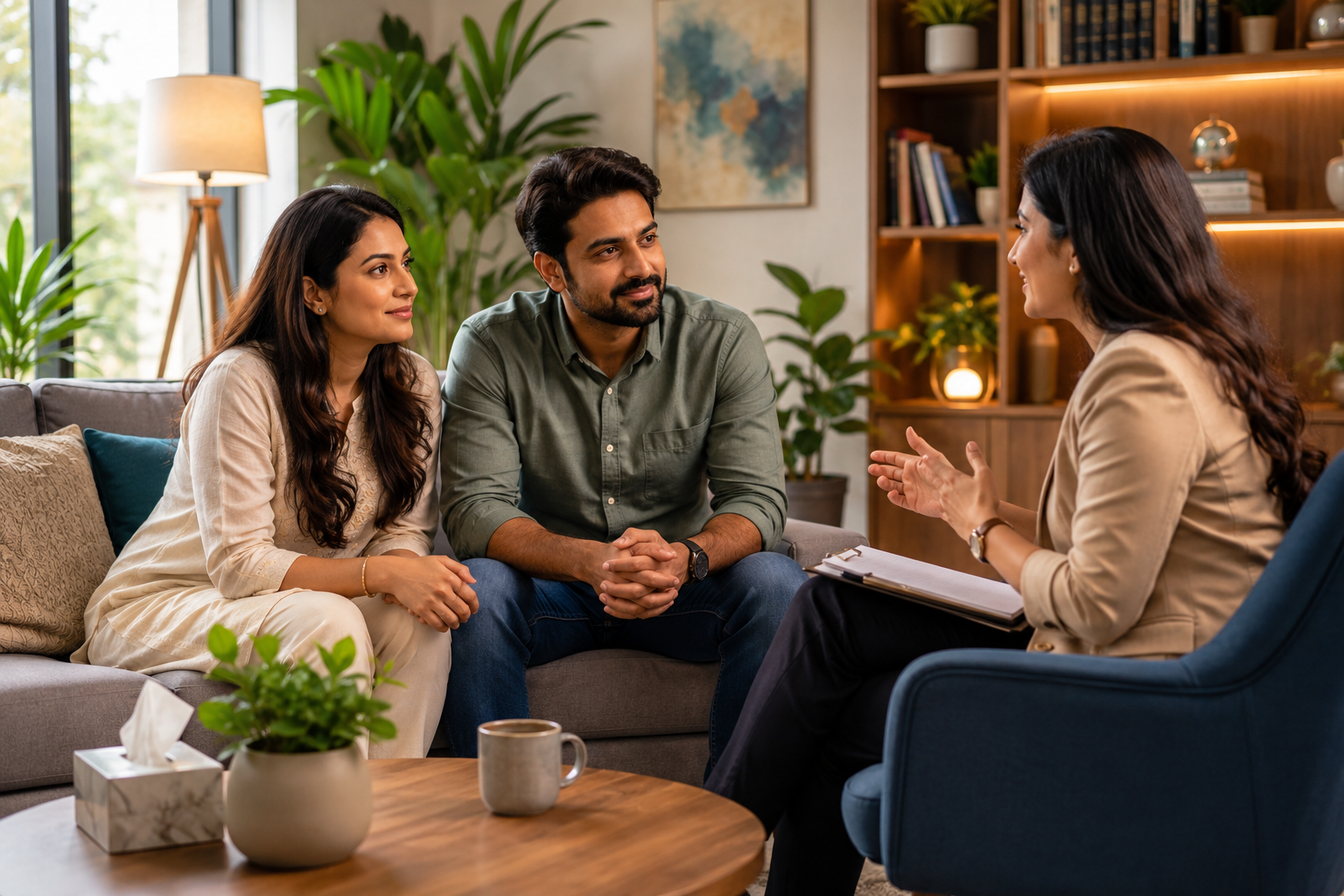
Every relationship experiences difficult moments. Partners may disagree about money, responsibilities, family expectations, parenting, intimacy, work pressure, or emotional needs. Sometimes, small misunderstandings grow into repeated arguments, while unresolved hurt creates distance between two people who once felt deeply connected. When communication becomes difficult, searching for the best marriage counselor near me can be an important step toward understanding what is happening and deciding how to move forward.
Marriage counselling is not only for couples who are close to separation. Many partners seek professional guidance when they want to improve communication, rebuild trust, manage recurring conflict, or create a stronger emotional connection. Counselling can provide a neutral and supportive environment where both people can express themselves without feeling constantly blamed or interrupted.
Best marriage counselor near me, This guide explains how relationship counselling works, when couples may benefit from it, what to expect during sessions, and how to choose the best marriage counselor near me according to your relationship needs. The goal is not to promise a perfect relationship, but to help couples make informed decisions and develop healthier ways of relating to each other.
Table of Contents
What Is Marriage Counselling?
Marriage counselling, also called couples counselling or relationship therapy, is a structured form of professional support for partners experiencing relationship difficulties. A trained counselling professional helps couples explore patterns of communication, emotional reactions, expectations, and conflict.
Best marriage counselor near me, The counsellor generally does not act as a judge who decides who is right or wrong. Instead, the process focuses on helping both partners understand the relationship dynamic and identify changes that may improve emotional safety, communication, and cooperation.
Depending on the couple’s needs, counselling may focus on:
- Improving everyday communication
- Understanding repeated arguments
- Rebuilding trust after disappointment
- Managing anger and emotional reactions
- Addressing emotional distance
- Discussing intimacy and affection
- Handling family or parenting disagreements
- Adjusting to major life changes
- Exploring whether the relationship should continue
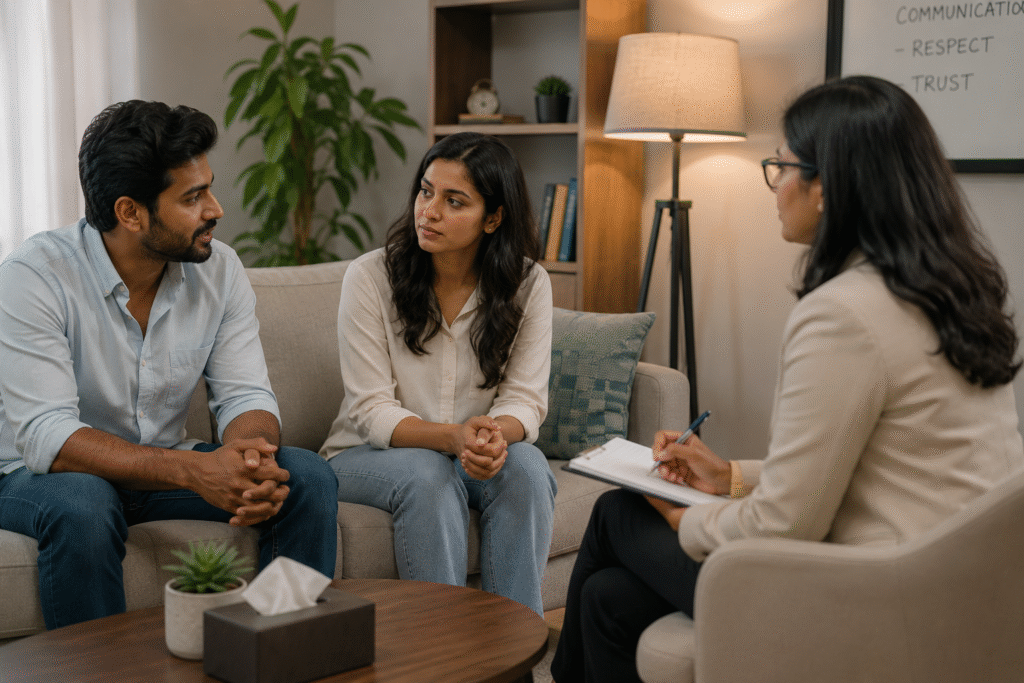
7 Reasons to Consider the best marriage counselor near me
1. Improve Communication Without Constant Blame
Communication problems are among the most common reasons couples seek counselling. Partners may talk frequently but still feel unheard. One person may withdraw during disagreements, while the other continues asking questions or demanding answers. Over time, this pattern can make even simple conversations stressful.
The best marriage counselor near me can help partners identify unhealthy communication habits and practise more constructive ways of speaking and listening. This may include learning how to express feelings without accusations, ask for clarification, and respond without immediately becoming defensive.
2. Understand Repeated Conflicts
Best marriage counselor near me, Some couples argue about different topics but follow the same emotional pattern. A disagreement about household chores may quickly become an argument about respect, responsibility, or appreciation. A discussion about spending may turn into a larger conflict about control or security.
When couples search for the best marriage counselor near me, they may be looking for support in understanding why the same disagreements keep returning. A counsellor can help identify the deeper concerns behind surface-level arguments.
During counselling, partners may explore questions such as:
- What usually triggers the argument?
- How does each person respond under stress?
- Does one partner pursue while the other withdraws?
- Are old disappointments affecting current conversations?
- What does each person need but struggle to express?
- How does the conflict usually end?
Understanding the pattern can be more useful than focusing only on the latest disagreement. Once the cycle becomes clearer, couples can begin experimenting with different responses.
3. Rebuild Trust After Hurt or Disappointment
Trust can be affected by dishonesty, broken promises, emotional neglect, secrecy, repeated criticism, or other experiences that make one partner feel unsafe or uncertain. Rebuilding trust usually requires more than saying sorry once. It may involve honest communication, accountability, consistency, and time.
The best marriage counselor near me may help couples discuss the impact of hurt without allowing the conversation to become a repeated cycle of blame. The process can support both partners in understanding what happened, what needs to change, and what realistic expectations should be established.
Trust-related counselling may include:
- Clarifying what happened
- Allowing the hurt partner to express emotions
- Exploring the reasons behind harmful behaviour
- Establishing clear boundaries
- Discussing transparency and responsibility
- Creating realistic steps for rebuilding confidence
4. Address Emotional Distance
A relationship may appear stable from the outside while both partners feel emotionally disconnected. They may manage work, finances, children, and household tasks but rarely share meaningful conversations. Over time, the relationship can begin to feel more like a routine partnership than an emotionally connected bond.
Best marriage counselor near me, If you are looking for the best marriage counselor near me, consider whether the professional has a counselling style that addresses emotional connection and relationship needs. A suitable counsellor can help partners identify when distance developed and what each person misses in the relationship.
Emotional disconnection may involve:
- Feeling ignored or unappreciated
- Lack of affection
- Avoiding meaningful conversations
- Spending little quality time together
- Feeling lonely even while living together
- Not sharing fears, hopes, or personal concerns
5. Manage Family and External Pressures
Marriage does not exist separately from the wider family and social environment. Couples may experience pressure related to parents, in-laws, cultural expectations, financial responsibilities, parenting decisions, or differences in lifestyle.
When searching for the best marriage counselor near me, it can be helpful to choose someone who understands that relationship concerns may involve more than the couple alone. A counsellor can support partners in discussing boundaries and making joint decisions while respecting important family relationships.
Counselling may help couples:
- Separate personal preferences from relationship agreements
- Discuss family expectations respectfully
- Set boundaries without unnecessary hostility
- Make decisions as a team
- Reduce pressure from outside opinions
- Develop a shared approach to parenting and finances
Best marriage counselor near me, The purpose is not to create conflict with family members. It is to help the couple communicate clearly and protect the health of their relationship.
6. Develop Healthier Conflict-Resolution Skills
Disagreements are not always a sign that a relationship is failing. Two people can care deeply for each other and still have different opinions, habits, and emotional needs. The way they handle disagreement often matters more than the fact that disagreement exists.
The best marriage counselor near me can help partners learn how to pause, listen, negotiate, and repair after conflict. These skills may be especially useful when arguments become intense or when one or both partners struggle to remain calm.
Healthy conflict resolution may involve:
- Choosing an appropriate time to talk.
- Discussing one issue instead of bringing up every past problem.
- Using specific examples rather than general accusations.
- Allowing both partners time to speak.
- Taking a short break when emotions become overwhelming.
- Returning to the discussion after calming down.
- Agreeing on practical next steps.
A counsellor may also help couples understand that compromise does not mean one person always gives up. A healthy agreement should consider the needs, responsibilities, and limits of both partners.
7. Make Informed Decisions About the Relationship
Sometimes couples attend counselling because they want to strengthen their marriage. Other couples are uncertain about the future and need a safe space to understand their options. Counselling can support reflection without forcing a particular outcome.
People looking for the best marriage counselor near me should ask whether the professional is comfortable supporting couples through uncertainty. A counsellor should not pressure partners to stay together, separate, forgive quickly, or make decisions before they are ready.
Counselling may help partners explore:
- Whether both people are willing to work on the relationship
- What changes are necessary for emotional well-being
- Which problems can be addressed together
- What boundaries are important
- Whether expectations are realistic
- How to make decisions thoughtfully
Professional support can be valuable even when the final decision is difficult. The aim is to encourage clarity, respectful communication, and informed choices.

When Should Couples Consider Counselling?
There is no single correct time to begin marriage counselling. Some couples seek help after a major crisis, while others attend when they notice smaller concerns becoming frequent. Early support may make it easier to address problems before they become deeply established.
You may consider contacting the best marriage counselor near me if:
- Arguments happen repeatedly without resolution.
- You feel unheard or misunderstood.
- You avoid important conversations.
- Trust has been affected.
- Emotional or physical intimacy has changed.
- One partner feels alone in the relationship.
- Family pressure is creating tension.
- You disagree about parenting or finances.
- You are considering separation.
- You want to improve the relationship before problems grow.
Common Relationship Problems Discussed in Counselling
Communication and Listening Difficulties
Partners may speak from their own perspective without fully understanding the other person. Interrupting, dismissing feelings, avoiding conversations, or assuming intentions can increase conflict.
Trust and Transparency
Trust concerns may arise from dishonesty, secrecy, inconsistent behaviour, or unresolved disappointment. Counselling can help partners discuss expectations and accountability.
Financial Disagreements
Money can represent security, independence, responsibility, or control. Couples may disagree about saving, spending, debt, financial support to relatives, or shared goals.
Intimacy and Affection
Differences in desire, affection, privacy, or emotional closeness can create frustration. These conversations require sensitivity and respect, without pressure or shame.
Parenting and Household Responsibilities
Couples may have different views about discipline, education, routines, chores, and caregiving. Counselling can support clearer agreements and more balanced responsibility.
Emotional Reactivity
Anger, defensiveness, silence, or withdrawal can make problem-solving difficult. A counsellor may help partners recognise triggers and practise calmer responses.
How to Choose the best marriage counselor near me
Choosing a counsellor is a personal decision. A professional may have strong qualifications, but the counselling relationship must also feel comfortable and appropriate for both partners.
Evaluate Accessibility and Convenience
Local counselling can be easier to maintain when travel time, session schedules, and location are manageable. If sessions are difficult to attend, couples may struggle to continue consistently.
Consider:
- Distance from home or work
- Available appointment timings
- In-person or online sessions
- Parking or transport convenience
- Session duration
- Rescheduling policies
- Whether both partners can attend regularly
Convenience should support consistency, but it should not be the only factor in your decision.
Ask About Fees and Policies Clearly
Before the first session, ask about consultation fees, payment methods, cancellation rules, and whether separate or joint sessions may be recommended. Clear information can prevent misunderstandings later.
Do not choose a professional solely because of a low fee or assume that a higher fee guarantees better results. Focus on suitability, transparency, professionalism, and comfort.
Notice How Both Partners Feel
A useful counsellor should create space for both partners. One person should not feel automatically blamed, ignored, or pressured to agree with the other.
After an initial conversation, consider:
- Did the counsellor listen carefully?
- Were both partners treated respectfully?
- Could you ask questions comfortably?
- Was the process explained clearly?
- Did the counsellor avoid taking sides?
- Did you feel your concerns were understood?
It may take time to find the right fit. Couples should be allowed to ask questions before making a commitment.

What Happens During a Marriage Counselling Session?
The first session often involves understanding the relationship history, current concerns, and goals. The counsellor may ask how the relationship began, when difficulties appeared, and what each partner hopes will improve.
Both partners may have different views of the same situation. A professional can help create a structure where each person speaks without being repeatedly interrupted.
Later sessions may involve:
- Identifying recurring relationship patterns
- Exploring emotional needs
- Practising communication exercises
- Discussing specific disagreements
- Creating shared goals
- Reviewing progress and difficulties
- Developing strategies for between-session practice
Best marriage counselor near me, Some counsellors may recommend individual sessions when personal concerns need separate attention. This does not necessarily mean that one partner is responsible for the relationship problem. It may simply provide additional space for reflection.
Counselling is usually a process rather than a single conversation. Progress can involve small changes, setbacks, new insights, and repeated practice.
Online Versus In-Person Relationship Counselling
Both online and in-person counselling may be useful, depending on the couple’s needs and circumstances.
In-Person Counselling
In-person sessions may be preferred by couples who want a dedicated professional setting away from home. They can also be helpful when both partners communicate more comfortably face-to-face.
Online Counselling
Best marriage counselor near me, Online sessions may be convenient for partners with demanding schedules, travel limitations, or different locations. They can reduce commuting time and make it easier to attend appointments.
However, online counselling requires a private space, stable internet connection, and willingness from both partners to participate attentively.
When choosing the best marriage counselor near me, ask whether the professional offers both formats and whether the same counselling structure applies online and in person. The best option is the one that allows both partners to participate openly and consistently.

Practical Ways to Improve Your Relationship Between Sessions
Professional counselling can provide guidance, but daily habits also influence relationship health. Couples can practise small changes between sessions.
Use Specific and Respectful Language
Talk about the behaviour and its impact rather than attacking personality. Instead of saying, “You are irresponsible,” explain, “I felt overwhelmed when the task was left unfinished, and I need us to plan it together.”
Schedule Meaningful Conversations
Do not wait until an argument begins to discuss important topics. Set aside a calm time for talking about responsibilities, feelings, plans, and concerns.
Listen Before Responding
Try to understand what your partner means before preparing your reply. You can say, “I want to make sure I understood you correctly,” and then summarise what you heard.
Appreciate Small Efforts
Acknowledging ordinary contributions can improve emotional connection. Thank your partner for practical help, emotional support, patience, or time spent together.
Avoid Solving Everything Immediately
Some conversations require a pause. If emotions become intense, agree to take a break and return at a specific time rather than using silence as punishment.
Protect Quality Time
Shared time does not always need to be expensive or elaborate. A walk, meal without phones, short conversation, or shared activity can create opportunities for connection.
Respect Personal Boundaries
Healthy relationships include closeness and individuality. Partners should be able to express personal needs, limits, friendships, and interests without unnecessary control or intimidation.
When Professional or Emergency Support Is Necessary
Marriage counselling may be helpful for many relationship concerns, but it is not appropriate for every situation in the same way. If there is physical violence, sexual coercion, stalking, serious threats, or fear of retaliation, safety should come first.
A qualified professional can help determine what type of support may be appropriate. No one should feel pressured to attend joint counselling when their safety is uncertain.
Common Misconceptions About Marriage Counselling
“Counselling Is Only for Couples Who Are Separating”
Many couples seek counselling while they still want to improve their relationship. Professional support can be considered before problems become severe.
“The Counsellor Will Take One Person’s Side”
A responsible counsellor generally aims to understand both perspectives and support respectful communication. The process is not supposed to be a competition.
“One Session Will Fix Everything”
A single session may provide clarity or useful ideas, but lasting changes often require practice and commitment. Every couple’s situation is different.
“Only One Partner Needs to Change”
Individual responsibility matters, but relationship patterns often involve both partners. Each person can examine their own reactions while also discussing shared agreements.
“Counselling Means the Relationship Has Failed”
Seeking support can reflect awareness and willingness to address concerns. Asking for help does not automatically mean that a relationship is weak or unsuccessful.
Questions to Ask Before Your First Appointment
Before choosing the best marriage counselor near me, prepare a few questions:
- What experience do you have with couples counselling?
- What concerns do you commonly help couples explore?
- How are the first few sessions structured?
- Do you offer online and in-person appointments?
- How do you maintain confidentiality?
- Will both partners have equal opportunities to speak?
- What happens if one partner is uncomfortable with the process?
- Are individual sessions sometimes recommended?
- What are your fees and cancellation policies?
- How can we prepare for the first session?
You can also discuss your main goal before booking. For example, you may want to improve communication, understand repeated conflict, rebuild trust, or decide how to move forward after a difficult period.
Frequently Asked Questions
1. How can I find the best marriage counselor near me?
Start by searching for qualified relationship or marriage counselling professionals in your area. Review their relevant training, experience, counselling approach, privacy policies, appointment formats, and availability. A suitable counsellor should make both partners feel respected and comfortable asking questions.
2. Do we need to be married to attend couples counselling?
No. Couples counselling may be suitable for married partners, engaged couples, long-term partners, or people exploring relationship concerns. The focus is generally on the relationship and the goals of the people involved.
3. Can counselling help if only one partner wants to attend?
Individual counselling may still provide useful support for understanding communication patterns, emotional reactions, boundaries, and personal decisions. However, joint participation may be helpful when both partners are willing and it is safe to do so.
4. How long does marriage counselling take?
There is no universal timeline. The number and frequency of sessions depend on the concerns, goals, participation, and counselling approach. Some couples may focus on a specific issue, while others need longer-term support.
5. Is online marriage counselling effective?
Online counselling may be a practical option for couples who have privacy, reliable technology, and a suitable environment for participation. It is important to discuss the format with the counsellor and determine whether it fits your needs.
6. What should we discuss in the first session?
You can explain why you are seeking counselling, what problems occur most often, how the relationship has been affected, and what you hope to improve. It is acceptable to mention concerns gradually if discussing them immediately feels difficult.
7. Can counselling help when there is abuse in the relationship?
Safety must be assessed first. When there is violence, coercion, intimidation, or fear, individual support and safety planning may be more appropriate than joint counselling. Seek qualified professional or emergency assistance when necessary.
Conclusion
Choosing the right relationship professional is an important decision when communication, trust, emotional connection, or repeated conflict begins affecting a partnership. The best marriage counselor near me should offer relevant experience, clear communication, respectful support, privacy, and a counselling process that suits both partners.
Marriage counselling may help couples understand recurring patterns, express feelings more clearly, manage disagreements, rebuild trust, and make informed decisions about their future. It does not guarantee a particular outcome, and meaningful progress often requires honesty, patience, practice, and participation from both people.
Before selecting a counsellor, consider accessibility, session format, confidentiality, professional experience, fees, and personal comfort. Ask questions before beginning and choose a setting where both partners can speak openly.
A relationship does not need to reach a crisis before support becomes appropriate. If you notice repeated misunderstandings, emotional distance, unresolved hurt, or uncertainty about the future, seeking professional guidance may be a constructive next step toward greater clarity and healthier communication.
Contact Information
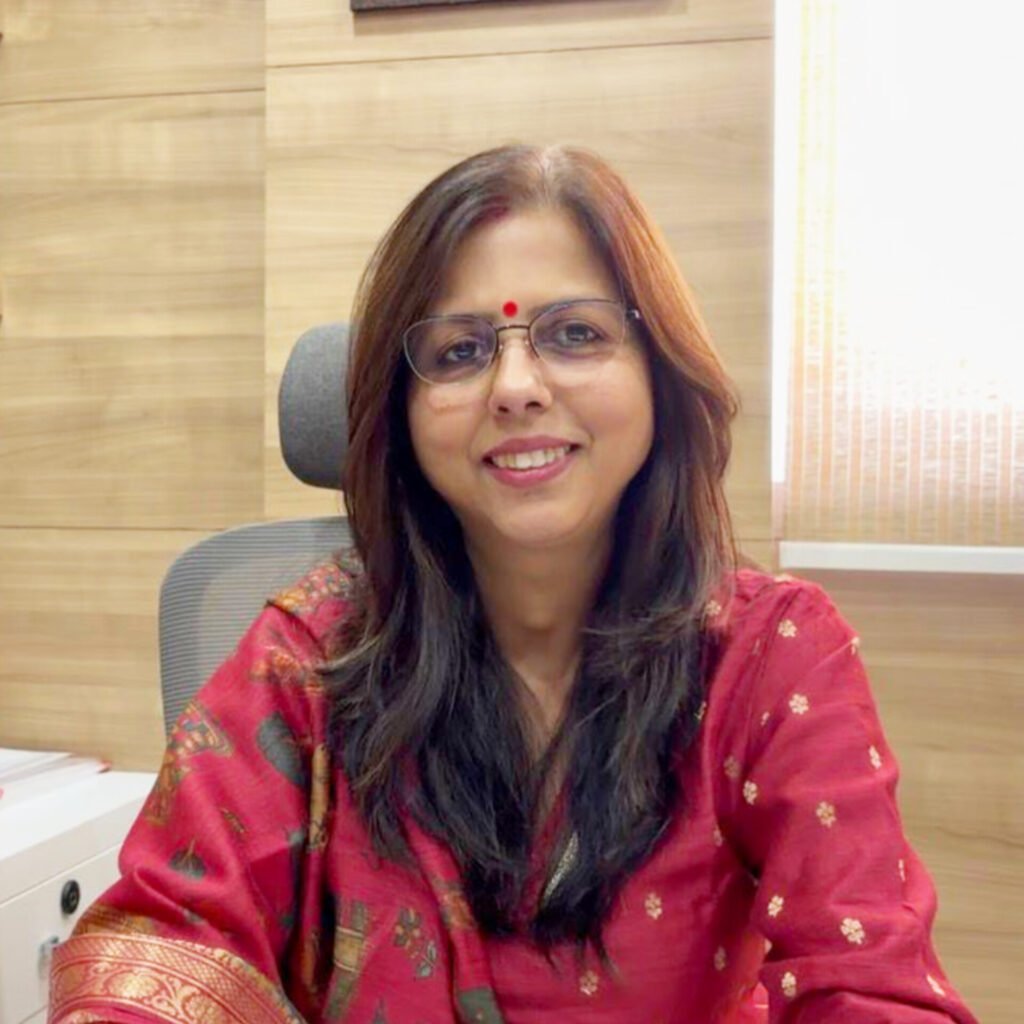
Ms. Sumita Jhaa
Website: https://sumipsychology.com/
Address:
124/5 Dodakanhali,
Sarjapura Road,
Bangalore – 560035
Phone:
+91 91566 55161