
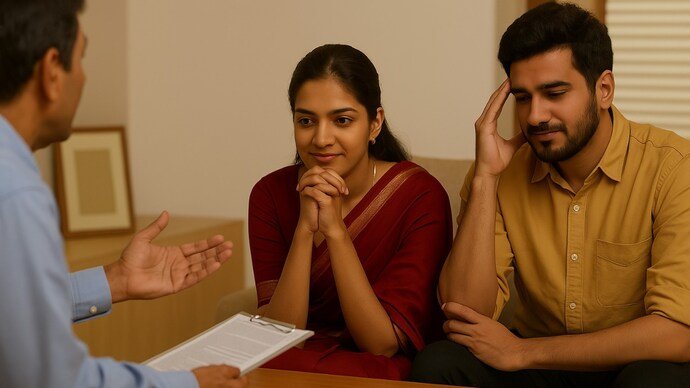
Marriage can bring companionship, emotional support, shared goals, and a sense of partnership, but it can also involve disagreements, misunderstandings, changing responsibilities, and difficult periods. Even couples who care deeply about one another may struggle to communicate effectively when emotions are high. Seeking professional guidance can provide a structured opportunity to understand these challenges rather than allowing them to continue unresolved.
For couples considering Confidential Marriage Counselling, privacy can be an especially important part of the decision. Marriage counselling often involves discussing sensitive subjects such as communication problems, trust, finances, family expectations, intimacy, parenting, past experiences, or uncertainty about the future. Knowing how confidentiality is handled can make it easier for partners to speak honestly.
This article explores what Confidential Marriage Counselling means, when couples may benefit from it, how sessions generally work, how privacy should be discussed, and what couples can do to make the counselling process more useful.
Table of Contents
What Is Marriage Counselling?
Marriage counselling is a professional form of relationship support designed to help married partners address concerns affecting their relationship. Depending on the couple’s circumstances, sessions may focus on communication, emotional connection, recurring conflict, trust, family pressure, financial disagreements, parenting, major life changes, or other relationship concerns.
Confidential Marriage Counselling places particular importance on creating a private and respectful setting for these discussions. Couples should understand how information shared during sessions is handled and whether there are any professional or legal exceptions to confidentiality.
Why Privacy Matters in Marriage Counselling
Marriage counselling can involve topics that couples may not feel comfortable discussing with friends, relatives, or colleagues. Concerns about trust, intimacy, finances, family disagreements, parenting, or personal experiences can feel highly private.
This is why understanding Confidential Marriage Counselling should involve more than looking at the word “confidential.” Before beginning sessions, couples should ask the counsellor how confidentiality works, how records are handled, and what circumstances may require information to be disclosed.
Questions About Confidentiality
Before the first session, couples can ask:
- How is confidentiality maintained?
- Are session notes or records kept?
- Who can access information shared during counselling?
- Are there situations where confidentiality has legal or professional limits?
- How is privacy handled during online sessions?
- Can individual conversations take place, and if so, how are they handled?
A professional should be able to explain these matters clearly.
When Should Couples Consider Counselling?
There is no requirement to wait until a marriage reaches a crisis. Couples may seek support when they notice recurring problems that they cannot resolve independently.
Common reasons include:
- Frequent arguments about the same subjects
- Difficulty communicating without becoming defensive
- Emotional distance
- Loss of trust
- Disagreements about finances
- Parenting differences
- Family or in-law pressure
- Changes in intimacy or emotional closeness
- Major career or lifestyle changes
- Difficulty adjusting to a new stage of marriage
- Thoughts about separation
- A desire to strengthen an already stable relationship
Choosing Confidential Marriage Counselling early can give couples an opportunity to discuss concerns before they become deeply entrenched.
Counselling can also be useful when both partners agree that something feels wrong but cannot identify exactly what is causing the tension.
Common Problems Discussed During Marriage Counselling
Every relationship is different, but some challenges appear frequently in counselling conversations.
Communication Problems
A couple may begin with a disagreement about something small and quickly find themselves arguing about several unrelated issues. One person may feel unheard while the other feels constantly criticized.
Confidential Marriage Counselling may help the couple identify this communication cycle and practice expressing concerns without immediately assigning blame.
Trust Issues
Trust can be affected by broken promises, secrecy, dishonesty, emotional distance, or experiences that have changed how one partner views the other.
Rebuilding trust is rarely about one conversation. It may require honest communication, accountability, consistency, clearly understood boundaries, and time.
A counsellor can help partners discuss what trust means to each person and what changes may be needed to create a greater sense of security.
Emotional Disconnection
Some couples continue managing household responsibilities successfully while becoming emotionally distant. Conversations may revolve around work, bills, children, schedules, and practical tasks, leaving little time for emotional connection.
Confidential Marriage Counselling, A partner may eventually feel that they are living with someone but no longer feel understood by them.
Counselling can provide a space to explore what emotional connection means to both people and identify practical ways to create more meaningful interaction.
How Family and External Pressure Can Affect Marriage
Marriage does not exist separately from family, work, finances, culture, and social expectations. External pressure can influence how partners communicate and make decisions.
Differences involving extended family may become particularly sensitive. One partner may want frequent family involvement, while the other may prefer clearer boundaries. Both perspectives can feel important to the people involved.
Financial pressure can also create tension. Couples may disagree about spending, saving, loans, responsibilities, or long-term financial priorities.
In Confidential Marriage Counselling, these concerns can be discussed in a structured setting where each partner has an opportunity to explain their perspective.
The objective is not necessarily to make both people think alike. Instead, counselling may help couples understand differences and find workable ways to manage them.
How Marriage Counselling Sessions Usually Work
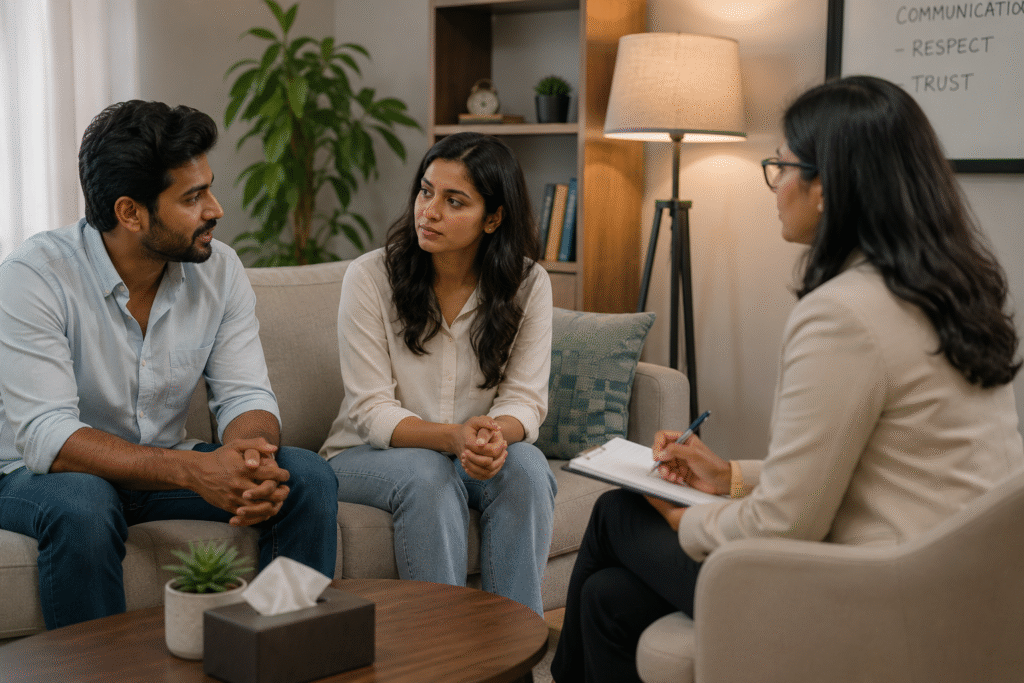
The exact process varies according to the counsellor, the couple’s concerns, and the counselling approach. The first session often focuses on understanding why the couple has sought support.
The professional may then help establish priorities for future sessions.
What Happens During a Session?
A counselling session is generally more structured than an ordinary relationship conversation. The counsellor may encourage each partner to speak without interruption and help clarify statements when misunderstandings arise.
Confidential Marriage Counselling can be particularly valuable when partners need a private environment to discuss subjects they have been avoiding.
What Couples Should Expect From the Process
Couples should not expect every session to feel easy. Discussing unresolved problems can sometimes bring up frustration, sadness, disappointment, or other strong emotions.
Counselling is also not simply a process where a professional tells couples what decisions to make. Both partners generally remain active participants.
For some couples, Confidential Marriage Counselling may involve working toward improving the relationship. For others, counselling may help them understand whether they can address their differences or need to consider another direction.
The outcome cannot be guaranteed, and the process may look different for every couple.

Practical Communication Strategies Couples Can Use
Professional counselling can provide guidance, but daily communication also matters. Couples can practice simple habits between sessions.
Speak About Specific Situations
Statements such as “You never care about me” can make the other person defensive because they sound absolute.
Instead, describe the situation and your experience. For example:
“I felt unsupported when I had to manage that responsibility alone.”
This gives the other partner something specific to understand.
Avoid Assuming Intentions
It is easy to assume that you know why your partner behaved in a certain way. However, an assumption may not reflect their actual intention.
Ask questions before reaching conclusions. This can reduce misunderstandings and create opportunities for clarification.
Take a Healthy Pause
When a conversation becomes highly emotional, continuing immediately may make communication more difficult. Couples can agree to take a short break and return to the subject later.
A healthy pause should not become silent treatment or an indefinite refusal to communicate. The purpose is to create enough space for both people to approach the conversation more calmly.
Listen Before Responding
Listening does not mean agreeing with everything your partner says. It means making an effort to understand what they are trying to communicate.
A counsellor may encourage couples to repeat or summarize what they heard before explaining their own perspective.
Benefits of Professional Marriage Counselling
The benefits of counselling can vary from couple to couple, but professional support may help partners:
- Understand recurring communication patterns
- Express concerns more clearly
- Recognize emotional triggers
- Discuss difficult subjects in a structured environment
- Develop healthier conflict-management strategies
- Explore boundaries
- Improve emotional awareness
- Address unresolved relationship concerns
- Consider practical changes
- Make more informed decisions about the relationship
One important benefit of Confidential Marriage Counselling can be the opportunity to discuss personal matters in a professional setting rather than involving friends or relatives in every disagreement.
This can help keep sensitive relationship discussions separate from the couple’s wider social and family environment.
How to Choose a Suitable Marriage Counsellor
Choosing a counsellor requires careful consideration because couples may discuss highly personal matters.
Look for a qualified professional with relevant experience in relationship or marriage concerns. Communication style is also important. Both partners should have reasonable opportunities to express themselves.
Consider the following factors:
- Relevant professional experience: Look for someone who works with relationship concerns.
- Communication: The professional should explain the counselling process clearly.
- Privacy: Ask how confidentiality and records are handled.
- Neutrality: Both partners should feel that the environment is respectful and balanced.
- Availability: Appointment schedules should be practical for both people.
- Format: Decide whether online or in-person sessions are more suitable.
- Comfort: Both partners should feel reasonably comfortable participating.
When searching for Confidential Marriage Counselling, do not hesitate to ask questions before booking. Understanding the process beforehand can reduce uncertainty.
Online Versus In-Person Marriage Counselling
Both formats can have advantages depending on the couple’s circumstances.
In-person sessions provide a dedicated environment away from normal household routines. Online counselling may be more convenient for couples with demanding schedules or travel limitations.
Privacy is important in both formats. For online sessions, couples should choose a quiet location where conversations cannot easily be overheard.
If both partners are participating from different locations, they should also ensure that each person has sufficient privacy.
For couples considering Confidential Marriage Counselling, ask the professional whether online sessions are available and whether the format is appropriate for the issues you want to discuss.
What to Prepare Before the First Session
You do not need to prepare a complete history of your marriage. A few simple notes can make the first conversation easier.
Think about:
- What made you seek counselling now?
- What problems occur most frequently?
- How do disagreements usually begin?
- What happens when conflicts escalate?
- What would you like to change?
- What does your partner say they need?
- What outcome would make counselling feel useful?
Confidential Marriage Counselling works best when both partners are willing to participate honestly and respectfully.

Common Misconceptions About Marriage Counselling
One misconception is that counselling is only for marriages that are about to end. Couples may seek professional support much earlier, including when they simply want to improve communication.
There is also a misconception that confidentiality means absolutely nothing can ever be disclosed. Professional and legal rules may create specific exceptions, so couples should discuss the counsellor’s confidentiality policy before beginning.
Understanding what Confidential Marriage Counselling actually involves can help couples approach the process with realistic expectations.
When Professional Support May Need to Be Different
Marriage counselling is not the appropriate response to every situation. If there is ongoing physical violence, threats, coercive control, or immediate danger, safety should take priority.
A person experiencing abuse may need individual professional support and appropriate safety resources. Couples should not feel pressured into joint counselling if doing so could increase risk.
Similarly, serious mental health concerns may require individual assessment or specialized care. A qualified professional can help determine whether another form of support is necessary.
Counselling should always be approached responsibly, especially when serious safety concerns are present.
Making Counselling More Productive
Couples can take several steps to make sessions more constructive.
First, avoid treating counselling as a courtroom where evidence is collected against the other partner. Instead, focus on understanding what is happening between you.
Second, be willing to consider your own contribution to recurring patterns. This does not mean accepting blame for everything. It means recognizing that relationship dynamics usually involve interactions between both people.
Third, discuss disagreements respectfully outside sessions. If a counsellor suggests a communication exercise, practice it consistently rather than expecting immediate results.
Finally, tell your counsellor if something feels uncomfortable or unclear. Open communication about the counselling process itself can help make sessions more collaborative.
Frequently Asked Questions
1. What does Confidential Marriage Counselling mean?
Confidential Marriage Counselling refers to marriage counselling conducted with appropriate attention to privacy and confidentiality. Couples should discuss the professional’s confidentiality policies, record-handling practices, and any applicable legal or professional exceptions before beginning sessions.
2. Can counselling help couples with communication problems?
Counselling may help partners understand recurring communication patterns and practice healthier ways of expressing concerns and listening. Outcomes vary, and both partners generally need to participate honestly in the process.
3. Should we seek counselling before our marriage reaches a crisis?
There is no need to wait for a crisis. Couples may seek counselling when they notice recurring disagreements, emotional distance, trust concerns, or communication difficulties. Early professional support may provide an opportunity to address concerns before they become more difficult to discuss.
4. Can marriage counselling be conducted online?
Depending on the professional’s services and the couple’s circumstances, online counselling may be available. Both partners should have a private and reliable environment for participating in sessions.
5. Will a counsellor tell us whether we should stay married?
A counsellor’s role is not necessarily to make that decision for the couple. Professional counselling can help partners understand their concerns, communicate more effectively, and consider their options. The couple ultimately makes personal decisions about their relationship.
6. How should couples choose a marriage counsellor?
Consider relevant professional qualifications, experience with relationship concerns, communication style, privacy practices, availability, session format, and whether both partners feel comfortable with the professional.
7. Is counselling guaranteed to save a marriage?
No. Counselling cannot guarantee that a marriage will continue or that a particular outcome will occur. It can provide professional support and a structured environment for understanding relationship concerns, but outcomes depend on many individual and relationship factors.
Conclusion
Marriage counselling can provide couples with an opportunity to slow down difficult conversations, understand recurring patterns, and explore healthier ways of communicating. It is not necessarily a sign that a marriage has failed. For many couples, asking for professional guidance simply reflects a willingness to address concerns rather than ignore them.
For anyone considering Confidential Marriage Counselling, privacy should be discussed openly before sessions begin. Ask about confidentiality, records, online privacy, and any professional or legal circumstances that may limit confidentiality. Understanding these details can help both partners feel more comfortable participating.
Choosing a qualified and suitable counsellor is equally important. Consider relevant experience, communication style, session format, availability, and whether both partners feel respected during the process.
Ultimately, counselling cannot promise a perfect relationship or a guaranteed outcome. However, it can provide a structured space for honest conversation, reflection, and practical relationship work.
With realistic expectations, active participation, respectful communication, and appropriate professional support, Confidential Marriage Counselling may help couples gain greater clarity about their relationship and make thoughtful decisions about how they want to move forward.
Contact Information

Ms. Sumita Jhaa
Website: https://sumipsychology.com/
Address:
124/5 Dodakanhali,
Sarjapura Road,
Bangalore – 560035
Phone:
+91 91566 55161