

Marriage can bring companionship, shared goals, emotional support, and a sense of belonging, but it can also involve disagreements, changing expectations, financial pressures, family responsibilities, and periods of emotional distance. When repeated conversations stop leading to understanding, couples may begin looking for structured support from a Marriage Counsellor In Bangalore.
Marriage counselling is not only for couples facing a major crisis. It can also provide a neutral space to understand recurring patterns, improve communication, discuss difficult subjects, and make thoughtful decisions about the relationship. The purpose is not to assign blame or automatically push a couple toward staying together. Instead, counselling can help partners understand what is happening between them and explore healthier ways of responding.
For people living or working in Bangalore, practical factors such as location, scheduling, privacy, and online availability can influence the choice of a professional. Finding an appropriate Marriage Counsellor In Bangalore therefore involves looking beyond convenience and considering the counsellor’s approach, relevant experience, communication style, and professional qualifications.
Table of Contents
What Is Marriage Counselling?
Marriage counselling is a form of professional relationship support designed to help partners explore concerns affecting their relationship. Sessions may focus on communication, recurring disagreements, trust, intimacy, expectations, parenting, finances, family boundaries, or significant life changes.
A counsellor generally provides a structured and neutral environment where both partners can speak and listen with fewer interruptions. The professional may help identify repeated interaction patterns and encourage each person to consider how their words, reactions, assumptions, and behaviours affect the relationship.
The process is different for every couple. Some partners may attend counselling for a few specific concerns, while others may need more time to work through long-standing patterns. A qualified professional can explain the likely process after understanding the couple’s circumstances.
What Marriage Counselling Is Not
Counselling is not a courtroom in which one partner is declared right and the other wrong. It is also not a guarantee that a relationship will continue or that every disagreement will disappear.
Marriage Counsellor In Bangalore, A responsible counsellor should avoid making unrealistic promises. Instead, the work typically focuses on understanding concerns, improving communication, developing practical skills, and helping partners make informed choices.
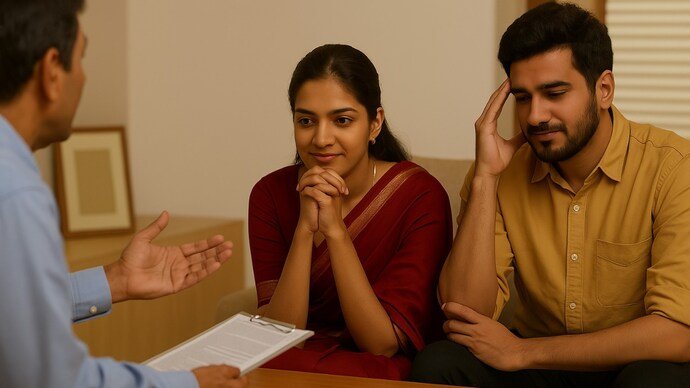
Why Couples Look for a Marriage Counsellor In Bangalore
People seek relationship support for many different reasons. Sometimes the problem is obvious, such as frequent arguments or a serious breach of trust. In other situations, the relationship may appear stable from outside while both partners feel increasingly disconnected.
Common reasons include:
- Frequent arguments that never reach a meaningful resolution
- Difficulty expressing feelings without criticism or defensiveness
- Loss of emotional closeness
- Trust concerns after secrecy or dishonesty
- Repeated disagreements about money
- Differences in parenting expectations
- Conflicts involving relatives or family boundaries
- Changes after marriage, childbirth, relocation, or career transitions
- Concerns about intimacy
- Uncertainty about the future of the relationship
A Marriage Counsellor In Bangalore may help couples slow down these cycles and examine what happens before, during, and after difficult conversations.
For example, one partner may repeatedly ask for reassurance while the other withdraws because the discussion feels overwhelming. Both people can end up believing the other is causing the problem. Counselling can help them identify this cycle and practise different ways of responding.
Common Relationship Problems That May Benefit From Counselling
Every relationship has disagreements, but the way partners handle disagreement can make an important difference. A useful first step is to distinguish between a single disagreement and a recurring pattern.
Communication Difficulties
Communication problems often involve more than speaking. They can include listening, timing, tone, assumptions, and the ability to express needs clearly.
Consider a couple where one partner says, “You never listen,” while the other responds, “You always complain.” These statements may express genuine frustration, but they do little to explain the specific issue. A counselling professional can help partners replace broad accusations with clearer descriptions of feelings, needs, and behaviours.
Trust and Transparency
Trust may become difficult after dishonesty, secrecy, broken agreements, or repeated disappointments. Rebuilding trust generally requires more than telling someone to “forget the past.”
Partners may need to discuss what happened, what each person needs now, and which behaviours would make the relationship feel more predictable and secure. A Marriage Counsellor In Bangalore can provide a structured setting for these conversations.
Trust concerns may also develop without one major incident. For example, inconsistent communication, unkept promises, or avoiding important discussions can gradually create uncertainty. Addressing these patterns openly may be more productive than allowing resentment to accumulate.
Emotional Disconnection
Some couples live together efficiently but rarely share meaningful emotional conversations. They may discuss work, children, shopping, or household tasks while avoiding vulnerable subjects.
Emotional reconnection can begin with small changes: asking open-ended questions, setting aside uninterrupted time, acknowledging a partner’s feelings, and showing appreciation. Counselling can help couples understand why these habits have become difficult.
Family and External Pressures
Marriage does not exist in isolation. Parents, relatives, social expectations, work demands, financial responsibilities, and cultural differences can all influence a couple’s relationship.
The goal is not necessarily to eliminate outside responsibilities. Instead, partners may need to agree on boundaries, priorities, decision-making, and ways of presenting a united approach while respecting individual family relationships.
How a Marriage Counsellor In Bangalore May Help
A professional relationship counsellor may use different approaches depending on the couple’s needs and professional training. The process commonly begins with understanding the relationship history and the concerns that brought the partners to counselling.
The counsellor may ask questions such as:
- What made you seek help now?
- How do disagreements usually begin?
- What happens when conflict becomes intense?
- What does each partner need but struggle to communicate?
- What changes would make the relationship feel healthier?
- Are there concerns that require individual support as well?
The answers can help create a clearer picture of the relationship rather than focusing on a single argument.
Creating a Neutral Conversation Space
During difficult conversations, partners may interrupt, defend themselves, withdraw, or focus on proving a point. A counsellor can establish communication boundaries so each person has an opportunity to speak and listen.
This does not mean that every statement must be agreed with. The objective is to make the conversation more constructive and understandable.
Marriage Counsellor In Bangalore, A neutral setting can be particularly useful when partners have developed a habit of anticipating criticism. Having a structured conversation may make it easier to slow down, clarify what was meant, and consider the other person’s perspective.
Identifying Repeating Patterns
A couple might repeatedly follow a pattern such as criticism, defensiveness, withdrawal, and renewed criticism. The individual arguments may concern different subjects, but the underlying interaction can remain similar.
Recognising the pattern can be useful because it shifts attention from “Who started it?” toward “What keeps happening between us?” A Marriage Counsellor In Bangalore may help partners practise alternative responses to that cycle.

What Happens During a Typical Counselling Session?
The first session may involve introductions, confidentiality information, the reasons for seeking counselling, and a discussion of relationship history. The counsellor may also ask each partner what they hope to achieve.
Marriage Counsellor In Bangalore, Later sessions can become more focused. Depending on the concerns, a couple may discuss communication, conflict management, emotional needs, trust, intimacy, family boundaries, or shared expectations.
Some sessions may involve practical exercises. For example, partners might practise reflecting back what they heard before responding. Another exercise could involve describing a specific situation without using absolute terms such as “always” or “never.”
There is no single format that suits every couple. Session structure can depend on the professional’s method, the couple’s goals, and whether individual concerns also need attention.
Marriage Counsellor In Bangalore, Couples can also ask questions about confidentiality and how information is handled. Understanding these arrangements before discussing sensitive matters can help both partners feel more comfortable with the process.
Choosing the Right Marriage Counsellor In Bangalore
Selecting a counsellor is a personal decision, and couples can take time to compare relevant information before booking an appointment.
Check Professional Background
Look for clear information about the professional’s relevant education, training, experience, and areas of practice. If the website or profile is unclear, you can ask directly about qualifications and the type of relationship concerns they commonly work with.
Do not rely only on promotional language. A professional should communicate services and limitations clearly rather than making guaranteed claims.
Consider Communication Style
A counsellor’s style matters because couples need to feel able to discuss sensitive subjects honestly. During an initial interaction, consider whether the professional listens carefully, explains the process clearly, and treats both partners respectfully.
A good fit is not necessarily about finding someone who agrees with either partner. It is about finding a professional environment in which difficult conversations can be handled responsibly.
Think About Location and Accessibility
For people searching for a Marriage Counsellor In Bangalore, practical accessibility can affect consistency. A convenient location may make in-person sessions easier to attend alongside work and family responsibilities.
Consider travel time, appointment availability, privacy, and whether the professional offers online sessions. If both partners have demanding schedules, flexibility can be particularly relevant.
Online vs. In-Person Marriage Counselling
Both formats can have practical advantages, depending on the couple’s circumstances and the professional’s service model.
In-person sessions may offer a dedicated physical environment away from household distractions. Some couples prefer the separation between home and counselling space.
Online sessions can be convenient when partners live in different areas, have limited travel time, or prefer speaking from a private location. However, both partners should have a quiet and confidential space for the session.
Marriage Counsellor In Bangalore, Before choosing a format, discuss privacy, technology requirements, scheduling, and what happens if one partner cannot attend.
For couples in a large city, travel and work schedules can make consistency challenging. Online appointments may reduce travel requirements, while in-person sessions may be preferred by people who value face-to-face interaction. The appropriate option depends on individual circumstances.
Practical Relationship Strategies Couples Can Try
Professional counselling is only one part of relationship improvement. Between sessions, couples can experiment with small, realistic communication changes.
Use Specific Language
Instead of saying, “You don’t care about me,” describe the situation and its emotional impact: “When we don’t discuss plans beforehand, I feel left out and uncertain.”
Specific language gives the other person something concrete to understand and respond to.
Listen Before Solving
When a partner shares a concern, immediately offering a solution can sometimes feel dismissive. Try listening first and asking, “Do you want me to understand this with you, or are you looking for a solution?”
This simple question can prevent conversations from turning into unwanted advice sessions.
Take a Break From Escalating Arguments
If a discussion becomes highly emotional, continuing may make communication harder. Couples can agree on a respectful pause and choose a specific time to return to the conversation.
Marriage Counsellor In Bangalore, A pause should not become silent punishment or indefinite avoidance. The purpose is to reduce intensity so the discussion can continue more constructively.
Schedule Time for the Relationship
Work and household responsibilities can consume most of a couple’s attention. Deliberately creating time for conversation, shared activities, or simply being together can help maintain connection.
The activity does not need to be expensive or elaborate. Consistency and attention often matter more than complexity.
Discuss Expectations Clearly
Marriage Counsellor In Bangalore, Partners may assume that the other person understands what marriage should look like. Expectations about finances, household responsibilities, family visits, parenting, personal time, and career priorities can be very different.
Discussing these topics directly can reduce misunderstandings. It also gives couples an opportunity to negotiate responsibilities rather than relying on assumptions.
When Professional Support May Be Especially Important
Some relationship concerns are difficult to manage without professional guidance. Consider seeking appropriate support when the same conflict continues despite repeated attempts to resolve it, communication has become consistently hostile or withdrawn, or one or both partners feel unable to discuss important issues safely.
Professional help may also be appropriate when relationship difficulties are accompanied by significant emotional distress.
Safety concerns require particular attention. If there is physical violence, threats, coercive control, or immediate danger, couples counselling should not be treated as a substitute for appropriate safety planning or emergency assistance. A person facing abuse may need confidential individual support and relevant local resources.
Marriage Counsellor In Bangalore, If either partner feels unsafe discussing certain subjects in a joint session, that concern should be communicated to the professional. Safety and appropriate support should take priority over trying to resolve every issue together.

What Couples Should Expect From the Process
Counselling is a collaborative process rather than a quick conversation that produces a fixed answer. Couples may discover that some changes are relatively straightforward while others require patience and repeated practice.
Progress can include learning to identify triggers, expressing needs more clearly, listening without immediate defensiveness, establishing boundaries, or discussing disagreements without escalating them.
A Marriage Counsellor In Bangalore may also encourage partners to reflect between sessions. This could involve practising a communication technique, noticing recurring conflict patterns, or having a planned conversation about one specific issue.
It is also reasonable to ask about the expected frequency of sessions, confidentiality, cancellation arrangements, online options, and how concerns are handled if one partner wants individual support.
Couples should also remember that counselling works best when both partners can participate honestly within appropriate boundaries. If one person is uncertain about attending, discussing that hesitation openly can itself be useful.
Common Misconceptions About Marriage Counselling
“Counselling Is Only for Couples About to Separate”
Not necessarily. Couples may seek support at different stages. Some come when problems are relatively new, while others seek help after years of repeated conflict.
Early support may allow couples to discuss concerns before they become more deeply established. At the same time, seeking help later does not mean counselling is pointless.
“The Counsellor Will Take One Partner’s Side”
A professional relationship counsellor generally aims to facilitate a balanced process rather than act as a judge. However, neutrality does not mean ignoring harmful behaviour or safety concerns.
The role is usually to help both people communicate and examine relationship patterns rather than determine who should win an argument.
“One Session Will Solve Everything”
There is no universal number of sessions that guarantees a particular outcome. Relationship concerns can be complex, and meaningful change may require time, participation, and practice.
The focus should be on realistic goals rather than promises of immediate transformation.
Questions to Ask Before Your First Appointment
Before choosing a Marriage Counsellor In Bangalore, couples can prepare a short list of practical questions:
- What professional qualifications and relevant training do you have?
- What types of relationship concerns do you work with?
- How are sessions generally structured?
- Do you offer online and in-person appointments?
- How do you handle confidentiality?
- What happens if one partner wants an individual session?
- What should we do if we feel the counselling approach is not suitable?
These questions can make the selection process clearer and help couples understand what to expect.
It can also be useful to discuss practical matters such as appointment duration, scheduling, communication between sessions, and policies around missed appointments. Clear expectations can prevent avoidable misunderstandings later.
Preparing for Your First Counselling Session
A little preparation can make the first appointment more productive. Each partner can independently think about the main concerns they want to discuss rather than trying to prepare a perfect explanation of the entire relationship.
Consider writing down:
- The main issue bringing you to counselling
- How long the concern has been present
- What you have already tried
- What you would like to change
- What you appreciate about the relationship
- Any topics that feel particularly difficult to discuss
There is no need to create a detailed argument or collect evidence against a partner. Counselling is generally more useful when both people approach the process with honesty and a willingness to understand what is happening.

Frequently Asked Questions
1. When should we consider seeing a Marriage Counsellor In Bangalore?
Consider professional support when recurring disagreements, communication difficulties, trust concerns, emotional distance, or major life changes are affecting the relationship and your own attempts to address them are not proving sufficient.
2. Can couples attend counselling even if they are not in a major crisis?
Yes. Counselling can be used to address developing concerns, improve communication, discuss expectations, or prepare for significant relationship transitions. There is no requirement to wait until a relationship reaches a severe stage.
3. What should we discuss during the first session?
You can explain why you are seeking help, what concerns each partner has, what you have already tried, and what you would like to change. It is also useful to ask about the counsellor’s process and confidentiality.
4. Is online marriage counselling an option in Bangalore?
Many professionals offer online sessions, although availability varies. Before choosing this format, make sure both partners can participate from private, quiet locations and have a reliable internet connection.
5. How do we choose a suitable counsellor?
Review professional qualifications, relevant experience, counselling approach, communication style, session format, accessibility, and confidentiality practices. An initial conversation can help you decide whether the professional’s approach feels appropriate.
6. Does marriage counselling guarantee that couples will stay together?
No. Counselling does not guarantee a particular relationship outcome. It can provide structured support for understanding concerns, improving communication, exploring options, and making informed decisions.
7. What if there is abuse or a serious safety concern?
Safety should take priority. Physical violence, threats, coercion, or immediate danger may require confidential individual support, safety planning, and appropriate emergency or specialist services rather than relying on joint counselling alone.
Conclusion
A healthy relationship does not require partners to agree on everything. It does require opportunities to communicate, understand differences, establish boundaries, repair misunderstandings, and make decisions with awareness of each person’s needs.
For couples experiencing repeated conflict, emotional distance, trust concerns, or major transitions, speaking with a qualified professional may provide a structured way to understand the relationship. Choosing a Marriage Counsellor In Bangalore should involve more than searching for convenience; consider professional background, communication style, privacy, accessibility, and whether the counselling approach matches your needs.
The most useful first step is often a practical one: identify the concern you want to address, discuss what you hope to gain from counselling, and ask informed questions before beginning. With realistic expectations and appropriate professional support, couples can create space for clearer conversations and more thoughtful relationship decisions.
Contact Information
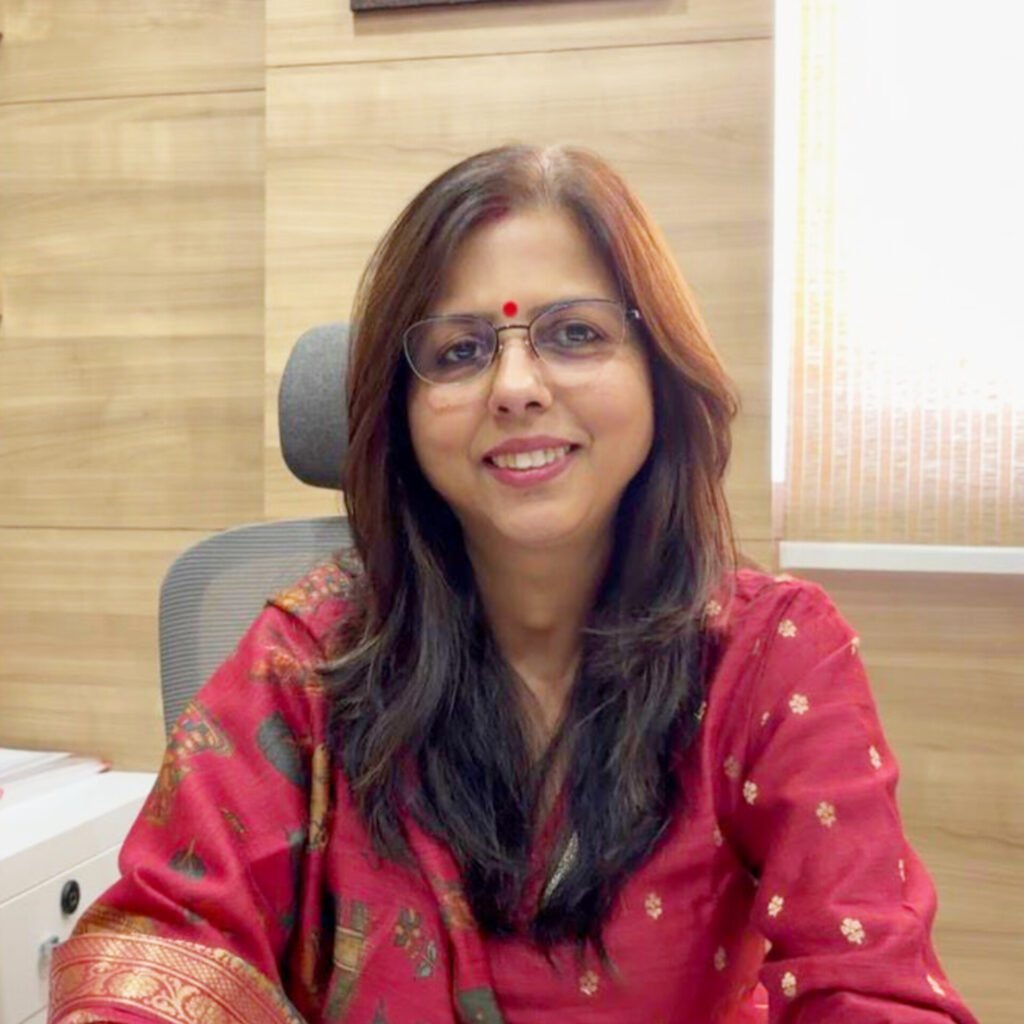
Ms. Sumita Jhaa
Website: https://sumipsychology.com/
Address:
124/5 Dodakanhali,
Sarjapura Road,
Bangalore – 560035
Phone:
+91 91566 55161